

In every job interview, employers have traits in mind that they look for in applicants. They normally look for the set of skills and experiences you can offer.

Part of job hunting is building a strong network of individuals that can help you with your job search. Your network is people you can contact to ask for referrals and available openings.
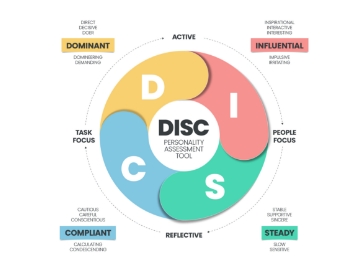
Hard skills are essential to finish the job. But a person's character is the next thing companies look for in a candidate.
They use the DISC assessment to determine how well a candidate or employee performs their roles.

In job hunting, submitting resume after resume to recruiters is the normal thing to do. Sometimes, you'll find a job opening asking you to send a cover letter and resume.

As a job hunter, your resume is one of your most powerful marketing tools. It's what recruiters review to read all your achievements and experience before meeting or talking to you in person.

Besides being a professional networking website, LinkedIn is also a job-hunting site where people can find job listings and apply.
Around 800 million users are using LinkedIn. Building a network of connections has a lot of benefits for your job prospects.

Dipping your toe into applicant pools during your job hunt can be intimidating. You'll have to recount all your years of experience, re-evaluate everything you've learned, and squeeze all of it into a single sheet of paper.

When writing your resume, it's important to think about what you'll say and put it carefully. Relevant experience and skills are a must on the list, but there are other things to add, such as a resume skills summary.