
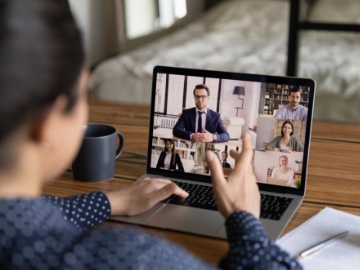
Many job interviews nowadays are held online through video conferences. Unfortunately, most of these require the interviewee to turn on their camera

Finishing a task is not always easy. Some people may face many distractions.
The same can happen during a job search. Job hunters may feel discouraged because of multiple rejections and uncertainties.

After your resume passes the standards of the recruiter, the interview is where you can make or break your chances of landing the job. Preparing for this is the key to success if you want a job offer
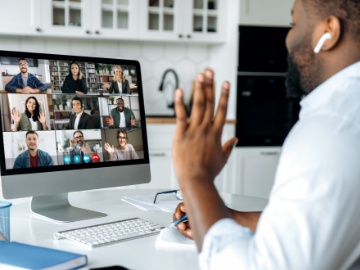
Productivity outside the office space has been the narrative of remote work. In a survey from Cushman and Wakefield, which talked about the future of workplace arrangements, 75% of employees answered that they could focus effectively on their tasks while working from home.

There can be a certain feeling of being lost after you send in your resume. You aren't sure if you should follow up, when, and how to do it.

At some point in your career journey, you may ask: "What's my profession?"
Learning your profession helps you turn what you know and can do into possibilities
Before, people had to print resumes. They must go through job posts in the newspapers and personally submit their resume. However, the job hunting process has evolved from offline to online.
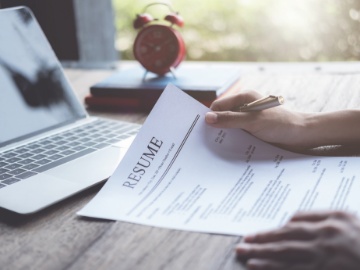
A resume represents a job applicant; it contains essential details, including educational background, work experience, awards earned, and skills acquired. While mentioning all these details seems like a good idea, it isn't.