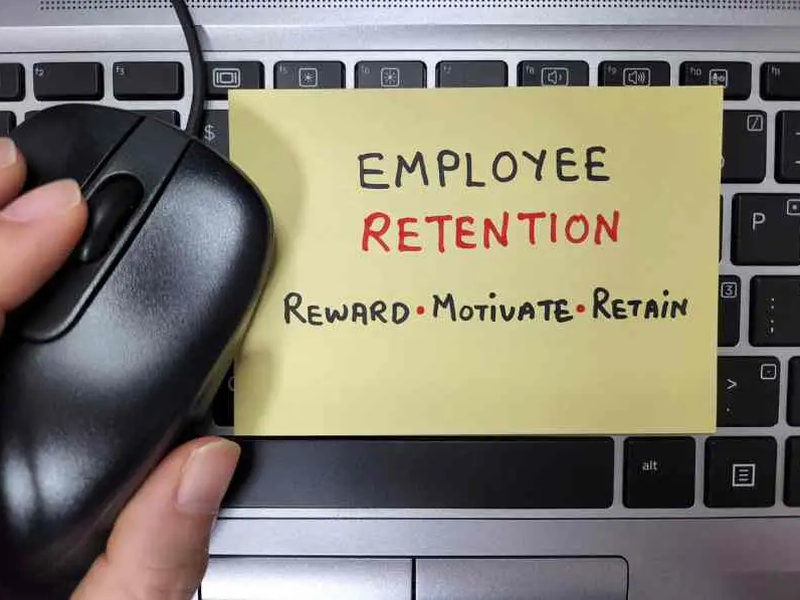
What Is Total Rewards Model and Why It Matters for Your Organization?

When employees think about why they stay in a job, salary is just one part of the story. They also value benefits, flexibility, recognition, and opportunities to grow. Having a strong total rewards model brings all of these elements together, helping organizations understand what truly motivates their workforce and how to create a workplace people want to stay.
In this article, we will discuss what exactly a total rewards model is, why it matters, and how your organization can use it to reward and keep top talent.
1.0 What is total rewards model?
A total rewards model is a structured framework that clearly defines how an organization compensates and rewards employees across all categories, not just salary.
This framework answers these key questions:
What do we reward? Identifying all forms of compensation and recognition
Who do we reward differently, and why? Establishing fair and equitable differentiation criteria
How do rewards drive business objectives? Ensuring alignment with organizational goals
Most companies today use solutions like Salary.com’s CompAnalyst Software to manage their total rewards strategy. This platform helps HR team compare market data, keep pay fair, and align rewards with company goals.
1.1 Why it matters for your organization
Here's why having a structured approach matters:
Strengthen hiring
Candidates look at the whole package, not just salary. A total rewards model helps you show everything you offer. By combining pay, benefits, and other incentive programs, they can see the full value.
Improve retention
SHRM reports that replacing an employee costs 50% to 200% of their annual salary. A strong total rewards strategy reduces turnover by:
Increasing perceived value: Employees often overlook benefits like health insurance, retirement contributions, and professional development. Clearly communicating total rewards helps them see their full compensation.
Building long-term commitment: Vesting equity, clear promotion paths, and development programs show you're investing in employees' futures, giving them reasons to stay and grow with you.
Support fair decisions
Pay equity risk is growing as laws expand and employees share pay information more openly. A total rewards structure promotes fairness through clear job levels and market data, helping prove compliance and reduce legal risk.
Guide budget decisions
When money is tight, organizations without a clear plan often make quick cuts that hurt them later. A rewards model helps leaders see which programs matter most and which ones aren’t being used. That way, they can make smart, strategic cuts instead of panic responses.
2.0 What are the core components of a total rewards model?
WorldatWork identifies five key parts of a good total rewards model: compensation, benefits, well-being, career growth, and recognition. Here's what each one means:
2.1 Compensation
Compensation includes salary, annual bonuses, and long-term incentives that companies offer to their employees. Having a good pay strategy means answering these three questions:
How will your salaries compare to other companies?
How much will be guaranteed versus based on performance?
How closely will you link pay to results?
A clear pay structure helps prevent issues like new hires making more than experienced employees or inconsistent raises that create perceptions of unfairness. Solutions like Salary.com’s CompAnalyst Software can help HR keep pay competitive, consistent, and align with company goals.
2.2 Benefits
Benefits provide financial security for employees, but they typically cost you about 30% of the average worker’s paycheck. Having a strong benefits plan means clearly:
defines which programs are offered to all employees,
ensures those benefits align with what employees actually value, and
balances cost control with market competitiveness.
The key is offering benefits employees truly want and making sure they understand and use them. When employees don’t know what benefits are available or how to use them, the investment delivers little value and drives unnecessary costs.
2.3 Well-being
Well-being programs help employees balance work and life. These include offering:
flexible schedules,
generous time off,
parental leave, and
wellness support.
Many workers now value these programs so much they'll pick a job with better well-being over one with slightly higher pay.
2.4 Career growth
Career growth means giving employees an opportunity to learn and advance. This includes giving them:
training,
clear paths to promotion,
mentors, and
help paying for school.
Employees are often willing to accept smaller raises if they’re learning new skills and see a future at your company. Offering career growth as part of rewards helps retain your top talent.
2.5 Recognition
Recognition means rewarding people based on how well they perform. This includes providing:
raises for good work,
bonus programs, and
other ways to acknowledge achievements.
Recognition only works if you measure performance fairly. Your system needs to clearly show the difference between top performers and average ones and reward them accordingly.
3.0 How can you manage and measure a total rewards model?
Once you've built your total rewards framework, effective management ensures it delivers results. Here are three important practices:
3.1 Establish clear governance
Clear governance ensures consistent and fair rewards decisions. It defines:
Who can make rewards decisions at each level
Which decisions need leadership approval and which managers can make on their own
Where flexibility is allowed within set guidelines
Strong governance improves consistency, cost control, and accountability across your organization.
3.2 Conduct regular pay equity reviews
Regular pay equity reviews help ensure fairness and reduce risk. They should:
Identify unexplained pay gaps by role, level, department, or demographic group
Clearly document the reasons for pay differences
Address issues early, before they affect retention or lead to legal concerns
3.3 Monitor with success metrics
Tracking the right metrics shows whether your rewards strategy is effective and where changes are needed. Focus on:
3.3.1 Cost metrics
Total rewards cost per employee
Year-over-year cost trends
Balance of fixed vs. variable pay
3.3.2 Effectiveness metrics
Offer acceptance rates
Retention of high performers
Employee understanding of total rewards
Benefits program participation
Review these metrics quarterly to spot trends early and make informed adjustments to your total rewards strategy.
4.0 FAQs
Here are frequently asked questions related to the topic:
4.1 What is the main goal of total rewards?
The main goal of total rewards is to improve business performance by attracting, motivating, and keeping employees with a complete package of pay, benefits, and other incentives that match your company’s strategy.
4.2 How can HR leaders design a total rewards model aligned with business strategy?
HR leaders can design it by:
reviewing current rewards,
listening to employee feedback,
aligning with leadership and company goals,
balancing pay and development, and
ensuring fairness and flexibility.
4.3 How can compensation teams measure the effectiveness of a total rewards model?
Compensation teams can track how well a total rewards model works using metrics like:
employee engagement levels,
retention rates,
ROI (return on investment) of total rewards,
and performance results.